
Skip to content
LodeRx
← All posts
TAG

safety

13 articles tagged safety.

TB-500: What Patients Should Know Before Asking a Clinician About It

peptides

TB-500: What Patients Should Know Before Asking a Clinician About It

TB-500 is a compounded peptide, not an FDA-approved drug. Learn what research shows, who should avoid it, and what to ask a clinician before requesting it.

September 12, 2026
Peptide Research Ethics: Why Research-Only Framing Protects Patients
peptides

Peptide Research Ethics: Why Research-Only Framing Protects Patients

Why credible peptide providers use research-only framing, what it protects patients from, and how compliant clinical pathways differ from RUO sellers.

September 3, 2026
Peptide Sourcing Red Flags: What Separates a 503A Pathway from Gray-Market Vendors

peptides

Peptide Sourcing Red Flags: What Separates a 503A Pathway from Gray-Market Vendors

Learn the concrete differences between a 503A compounding pathway and gray-market peptide vendors, plus the red flags that signal unsafe sourcing.

September 1, 2026
Side Effects of Compounded GLP-1s: Nausea, GI Symptoms, and What Patients Report

glp-1

Side Effects of Compounded GLP-1s: Nausea, GI Symptoms, and What Patients Report

Nausea and GI symptoms are the most reported side effects of GLP-1 medications. Learn why they happen, how long they last, and when to call a clinician.

August 29, 2026
Compounded GLP-1s and Gallbladder Risk: What the Research Shows

glp-1

Compounded GLP-1s and Gallbladder Risk: What the Research Shows

A look at the peer-reviewed evidence on GLP-1 receptor agonists and gallbladder disease, what it means for compounded semaglutide and tirzepatide, and warning signs to watch.

August 28, 2026
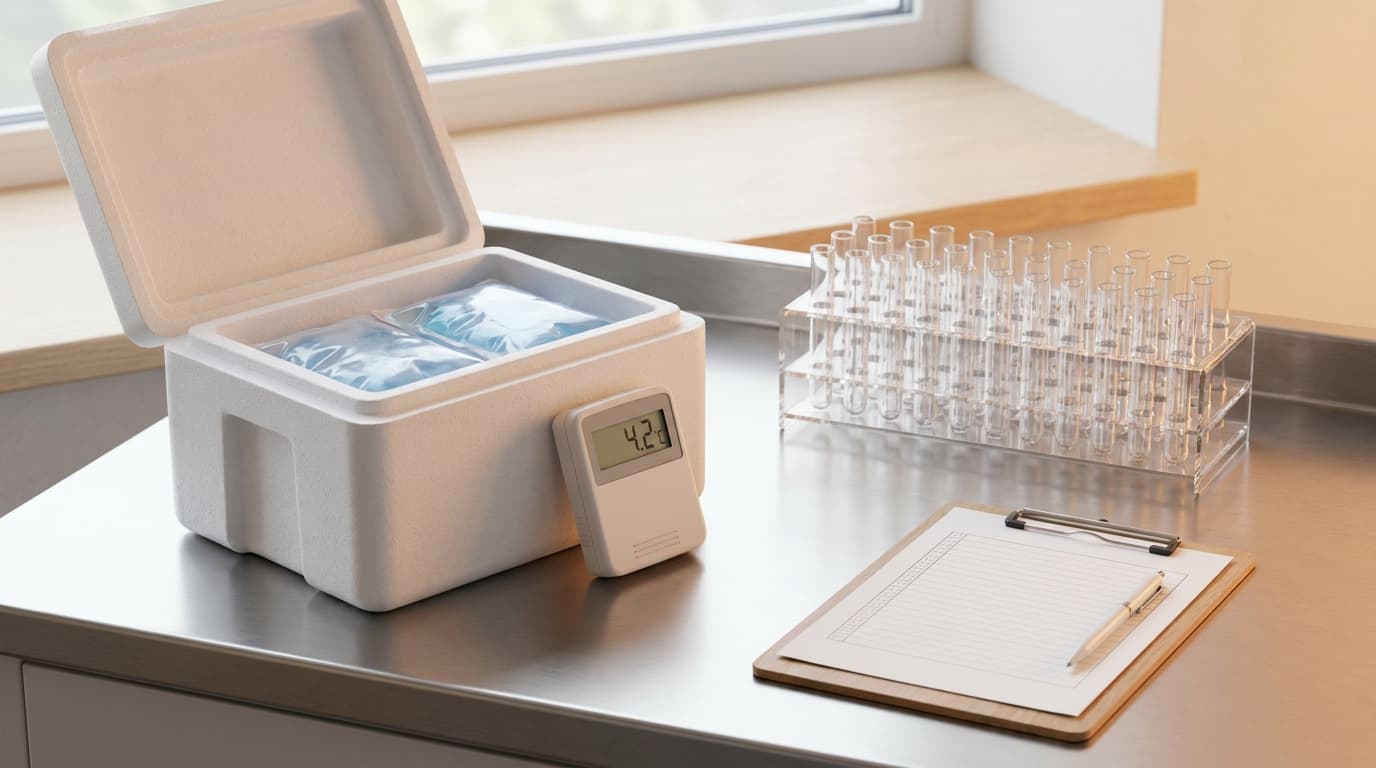
Peptide Cold-Chain Shipping: What to Inspect When Your Order Arrives

peptides

Peptide Cold-Chain Shipping: What to Inspect When Your Order Arrives

Peptide cold-chain shipping explained: what temperature peptides need in transit, how 503A pharmacies package orders, and what to inspect on arrival.

August 18, 2026
GLP-1s and Alcohol: What Patients Report and What Clinicians Commonly Advise

glp-1

GLP-1s and Alcohol: What Patients Report and What Clinicians Commonly Advise

What patients on GLP-1 medications report about drinking alcohol, what current research shows, and how clinicians typically guide these conversations.

August 12, 2026
Injection Site Rotation for TRT and GLP-1: What Clinicians Recommend

trt

Injection Site Rotation for TRT and GLP-1: What Clinicians Recommend

How clinicians recommend rotating TRT and GLP-1 injection sites to reduce scar tissue and support consistent absorption, with cited clinical sources.

August 10, 2026
TRT and Cardiovascular Safety: What the Current Evidence Actually Shows

trt

TRT and Cardiovascular Safety: What the Current Evidence Actually Shows

TRAVERSE and other trials clarify TRT's cardiovascular risk profile. Here's what the data says, what remains uncertain, and how clinicians monitor heart risk on therapy.

August 3, 2026
TRT Side Effect Monitoring: What to Watch and When to Call Your Provider

trt

TRT Side Effect Monitoring: What to Watch and When to Call Your Provider

A guide to what TRT side effects are expected, which labs catch problems early, and which symptoms mean you should call your provider today.

August 2, 2026
TRT Bloodwork Monitoring: What Clinicians Watch For and Why

trt

TRT Bloodwork Monitoring: What Clinicians Watch For and Why

Which labs matter most during TRT, how often clinicians recheck them, and what changes in hematocrit, PSA, estradiol, and lipids typically prompt a dose review.

August 2, 2026
How Clinicians Typically Escalate a Compounded GLP-1 Dose
glp-1

How Clinicians Typically Escalate a Compounded GLP-1 Dose

How do clinicians titrate compounded GLP-1 doses? A look at typical escalation schedules, why slow titration matters, and what changes the pace.

August 2, 2026