Skip to content
LodeRx
← All posts
TAG

peptides

17 articles tagged peptides.

TB-500 vs BPC-157: How Researchers Frame the Differences

peptides

TB-500 vs BPC-157: How Researchers Frame the Differences

TB-500 and BPC-157 are often grouped together in peptide research discussions. Here is how the compounds differ, what the FDA has said, and what remains unproven.

October 4, 2026
BPC-157 Research Status in 2026: What Clinicians and Regulators Currently Say

peptides

BPC-157 Research Status in 2026: What Clinicians and Regulators Currently Say

BPC-157 is not FDA-approved. Here is what the 2026 Category 2 list change, the PCAC vote, and current clinical literature actually mean for patients.

October 3, 2026
Are Compounded Peptides Legal? The FDA's Current Regulatory Posture Explained

peptides

Are Compounded Peptides Legal? The FDA's Current Regulatory Posture Explained

A plain-language breakdown of the FDA's 2023-2026 compounded peptide rules, Category 2 substances, and what the agency's advisory review means for patients.

September 26, 2026
503A vs. 503B Pharmacies: Why the Compounding Pathway Determines Peptide Access

peptides

503A vs. 503B Pharmacies: Why the Compounding Pathway Determines Peptide Access

503A and 503B pharmacies follow different FDA rules, and that difference decides which peptides a clinician can legally prescribe. Here's what it means for patients.

September 26, 2026
Peptide Half-Life and Injection Frequency: How Clinicians Think About Timing

peptides

Peptide Half-Life and Injection Frequency: How Clinicians Think About Timing

How clinicians use a peptide's half-life, not just its dose, to determine injection frequency, steady-state timing, and why short-acting doesn't always mean daily.

September 26, 2026
PT-141: What the Research Says About Its Current FDA Regulatory Status

peptides

PT-141: What the Research Says About Its Current FDA Regulatory Status

Is PT-141 FDA-approved? Learn how Vyleesi's 2019 approval differs from compounded PT-141, what the research shows, and how prescribing actually works.

September 26, 2026
Growth Hormone Secretagogues and Sleep: What the Research Suggests

peptides

Growth Hormone Secretagogues and Sleep: What the Research Suggests

What peer-reviewed research on growth hormone secretagogues and sleep actually shows, including slow-wave sleep, GH pulses, and where the evidence has gaps.

September 17, 2026
TB-500: What Patients Should Know Before Asking a Clinician About It

peptides

TB-500: What Patients Should Know Before Asking a Clinician About It

TB-500 is a compounded peptide, not an FDA-approved drug. Learn what research shows, who should avoid it, and what to ask a clinician before requesting it.

September 12, 2026
Peptide Research Ethics: Why Research-Only Framing Protects Patients

peptides

Peptide Research Ethics: Why Research-Only Framing Protects Patients

Why credible peptide providers use research-only framing, what it protects patients from, and how compliant clinical pathways differ from RUO sellers.

September 3, 2026
Sermorelin vs Ipamorelin: How Clinicians Frame the Research Differences
peptides

Sermorelin vs Ipamorelin: How Clinicians Frame the Research Differences

Sermorelin and ipamorelin work through different receptors. Here is how clinicians compare the research, safety signals, and regulatory status of each.

September 2, 2026
Peptide Sourcing Red Flags: What Separates a 503A Pathway from Gray-Market Vendors

peptides

Peptide Sourcing Red Flags: What Separates a 503A Pathway from Gray-Market Vendors

Learn the concrete differences between a 503A compounding pathway and gray-market peptide vendors, plus the red flags that signal unsafe sourcing.

September 1, 2026
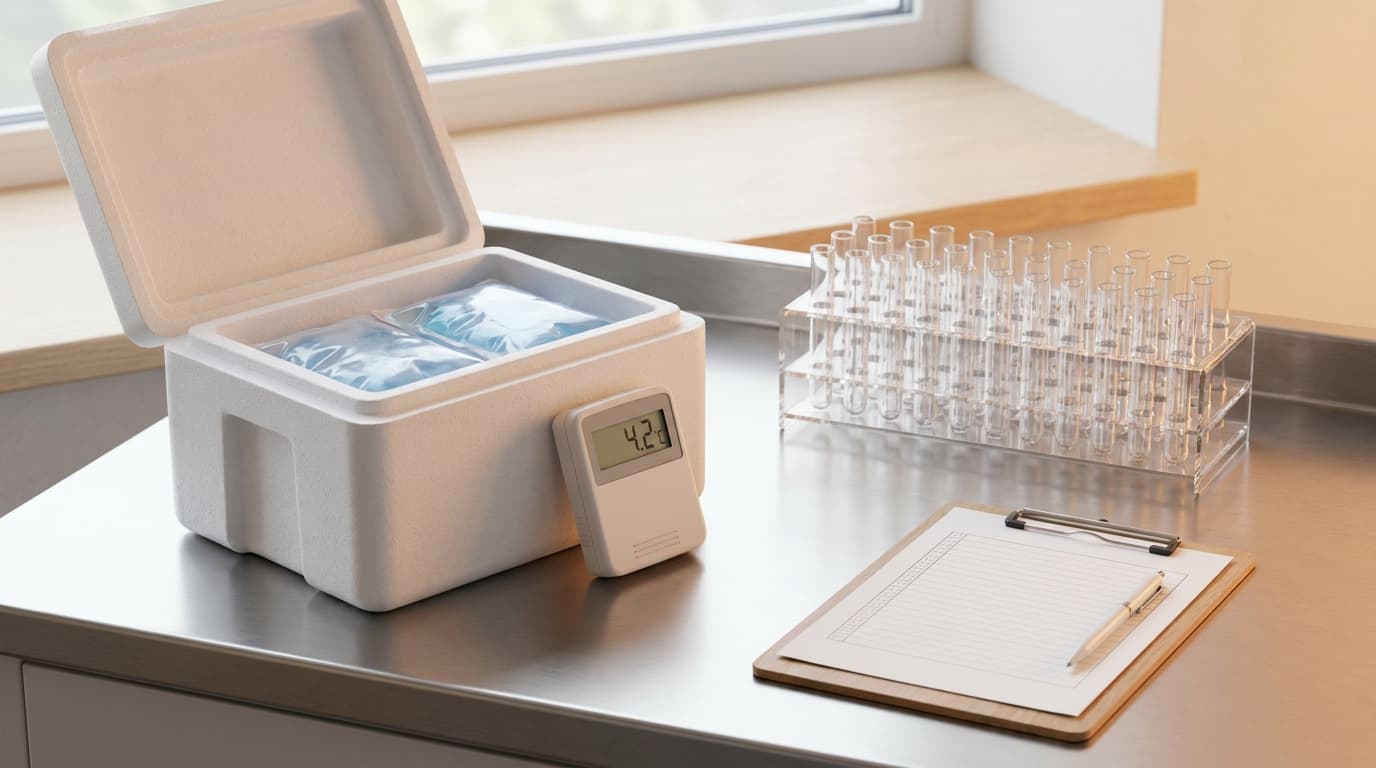
Peptide Cold-Chain Shipping: What to Inspect When Your Order Arrives
peptides

Peptide Cold-Chain Shipping: What to Inspect When Your Order Arrives

Peptide cold-chain shipping explained: what temperature peptides need in transit, how 503A pharmacies package orders, and what to inspect on arrival.

August 18, 2026